
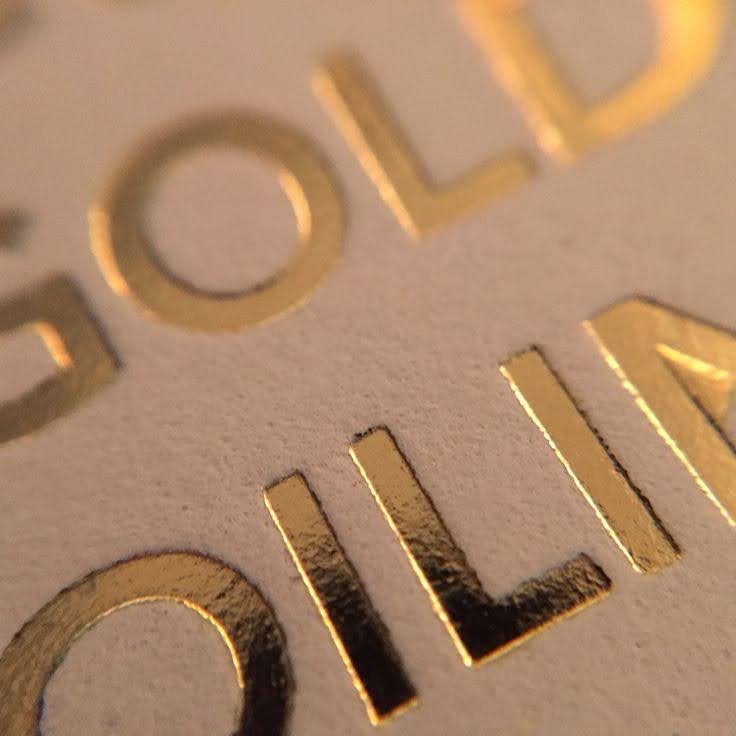
Many printed materials compete for attention. A business card, product package, or invitation often has only a few seconds to make an impression. That’s why print finishing plays an important role in how people perceive a brand or message.
One finishing method that continues to be widely used is foil printing. By applying metallic or coloured foil to selected areas of a design, foil printing creates contrast, texture, and light-reflective effects that standard ink cannot achieve.
You’ll often see foil printing on business cards, product packaging, wedding invitations, certificates, and marketing materials. But what is foil printing, and how does it work?
In this beginner’s guide, you’ll learn what foil printing is, how the process works, the different foil finishes available, and how to decide whether it is the right choice for your next print project.
Looking for foil stamping in Singapore? Reach out to Octogram Press Singapore via call, email, or our online contact form for any enquiries.
What Is Foil Printing?
Foil printing is a print finishing technique that applies a thin layer of metallic or pigmented foil to specific areas of a printed surface. The process uses heat, pressure, or digital technology to transfer the foil onto materials such as paper, cardstock, labels, and packaging.
Unlike standard printing, which relies on ink to create colours and designs, foil printing adds a foil layer that reflects light and creates contrast. This allows selected elements, such as logos, text, or patterns, to stand out from the rest of the design.
How Does Foil Printing Work?
Foil printing works by transferring a thin layer of foil onto a surface using either heat and pressure or digital technology. The goal is to apply foil only to selected parts of a design, rather than covering the entire print. Here is a main methods used in production:
Traditional Hot Foil Stamping
Hot foil stamping is the classic method used in commercial printing. A metal die is created with the design, such as a logo, pattern, or text. This die is heated and pressed onto the material with a layer of foil placed in between.
The heat and pressure activate the foil, causing it to bond to the surface in the exact shape of the die. This method is known for consistent results and sharp edges, especially on solid shapes and clean typography.
This method is often used for:
- Business cards
- Packaging
- Certificates
- High-volume print runs
What Materials Are Used?
Foil printing can be applied to a range of print materials, including:
- Paper
- Cardstock
- Labels
- Stickers
- Product packaging
- Invitations and stationery
The final result depends on the material surface. Smooth, coated stocks usually produce sharper foil detail, while textured papers create a softer effect.
(Source: Pinterest)
Types of Foil Printing Finishes
Foil printing comes in different finishes, each creating a distinct visual effect. The choice of foil often depends on the brand style, purpose of the print, and the impression you want to create.
1. Gold Foil
Gold foil is one of the most widely used finishes in foil stamping. It reflects light in a warm metallic tone and is often used for logos, certificates, business cards, and packaging.
Many brands use gold foil when they want to highlight premium elements within a design. Common uses:
- Business cards
- Luxury packaging
- Invitations
- Award certificates
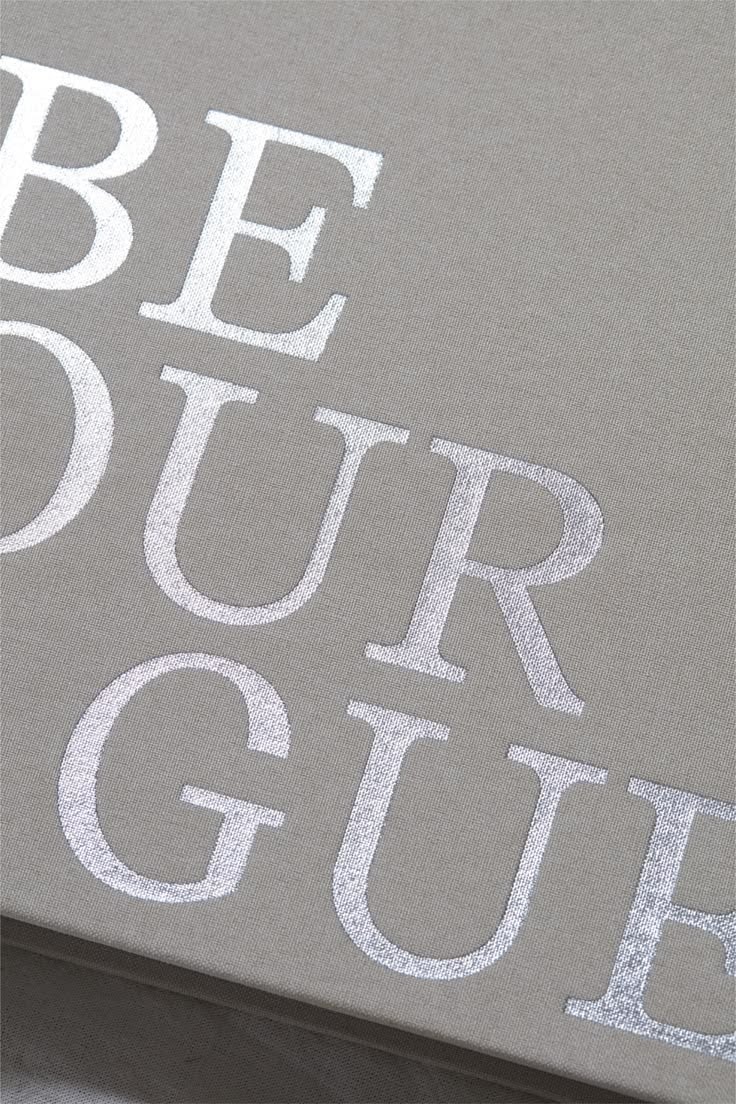
2. Silver Foil
Silver foil has a cooler metallic tone and works well for clean, modern designs. It is often used in corporate branding, technology-related materials, and minimalist packaging. Common uses:
- Corporate stationery
- Product labels
- Marketing brochures
- Modern brand identities
3. Holographic Foil
Holographic foil reflects multiple colours when viewed from different angles. It is often used when a design needs strong visual attention or a creative finish. This type of foil is also used in limited-edition packaging and promotional materials. Common uses:
- Product packaging
- Event materials
- Promotional prints
- Collectible items
4. Coloured Foils
Coloured foils are available in a wide range of shades beyond metallic tones. They allow brands to match foil finishes with their brand colours, creating a more consistent visual identity. Common uses:
- Brand packaging
- Custom stationery
- Marketing materials
- Themed event designs
5. Matte and Specialty Foils
Matte foils reduce shine and create a softer finish. Specialty foils may include textured, satin, or patterned effects. These are used when a subtle or distinctive look is preferred over high reflectivity. Common uses:
- Minimalist branding
- Premium invitations
- Editorial designs
- Boutique packaging
Benefits of Foil Printing
Foil printing changes how printed materials are perceived and how people interact with them, which brings several practical benefits:
1. Creates a Premium Appearance
Foil printing highlights selected parts of a design using metallic or coloured finishes. This creates contrast between foil and standard print, helping important details stand out. It is often used when a brand wants printed materials to feel more refined and intentional.
2. Improves Brand Recognition
A logo or brand name finished in foil is easier to notice and remember. This is why many businesses use foil printing for business cards, packaging, and branded stationery. It helps keep brand identity consistent across printed materials.
3. Increases Visual Impact
Foil reflects light in a way that standard ink cannot. This makes key design elements more noticeable at first glance. It is often used on headings, logos, and product names to guide attention.
4. Adds Tactile Appeal
Foil printing adds a physical layer to a printed surface. When combined with quality paper or cardstock, it creates a texture difference that encourages people to handle and engage with the material.
5. Works Across Many Industries
Foil printing is used in a wide range of sectors, including:
- Retail and product packaging
- Hospitality branding
- Corporate stationery
- Events and invitations
- Luxury and boutique products
Its flexibility makes it suitable for both small businesses and established brands looking to strengthen their print presentation.
Things to Consider Before Choosing Foil Printing
Foil printing can improve the appearance of printed materials, but it works best when the project is planned with a few practical factors in mind.
1. Budget
Foil printing usually costs more than standard printing because it involves extra production steps. Hot foil stamping requires a custom die, while digital foil printing uses specialised processes to apply the foil.
The final cost will depend on the design complexity, material, and quantity, so it is useful to plan your budget early in the process.
2. Design Simplicity
Simple designs tend to produce the best foil printing results. Clean shapes, logos, and bold text allow the foil to transfer clearly onto the surface.
When designs include very fine details, there is a higher chance that some clarity may be lost, so keeping elements clear and well-spaced helps maintain quality.
3. Material Selection
The material you choose also plays a role in how the foil appears once applied. Smooth, coated paper and cardstock usually produce sharper and more defined results because the foil adheres evenly to the surface.
In contrast, textured or uncoated materials can create a softer finish, which may suit certain design styles but reduces sharpness.
4. Print Quantity
Quantity can influence which foil printing method is more suitable. Hot foil stamping often becomes more cost-effective for larger print runs because the setup cost is spread across more pieces.
Digital foil printing, on the other hand, is often better suited for smaller quantities or personalised designs since it does not require a physical die.
Tips for Designing Effective Foil Printed Materials
Good foil printing results start with the design. The way artwork is prepared can affect how cleanly the foil transfers and how the final piece looks once printed.
1. Avoid very small text and fine details
Foil works best when applied to clear and defined shapes. Very small text or intricate linework can become less sharp during the transfer process, which may affect readability.
Keeping text slightly larger and details simple helps ensure the foil stays clean and consistent.
2. Use foil to highlight, not cover everything
Foil is most effective when it is used to draw attention to specific parts of a design rather than covering large areas. When applied selectively to logos, headings, or key elements, it creates contrast that guides the viewer’s eye without overwhelming the layout.
3. Maintain strong contrast with the background
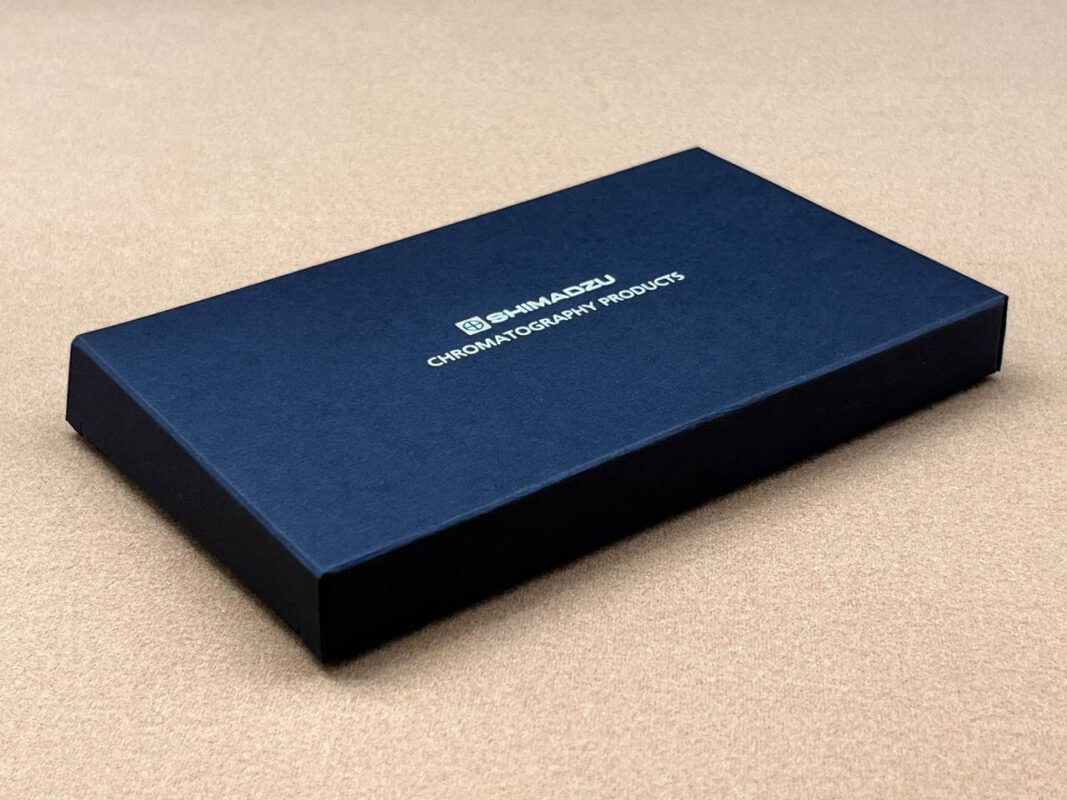
Foil stands out best when there is clear contrast between the foil and the background colour. Dark backgrounds often enhance metallic finishes, while lighter backgrounds can create a softer effect.
Thinking about contrast early in the design stage helps improve visibility and impact.
4. Focus on key branding elements
Not every part of a design needs foil. In most cases, it is more effective to apply it to essential branding elements such as logos, names, or product titles. This helps reinforce identity and keeps the overall design balanced.
5. Request a print proof before production
Before moving into full production, it is useful to review a sample or proof. This allows you to check how the foil interacts with the material and adjust details if needed. It reduces the risk of misalignment between the design and final output.
Conclusion
Foil printing is a print finishing technique that adds metallic or coloured foil to selected areas of a design. It is used to highlight key elements such as logos, text, and branding details, helping printed materials stand out from standard ink-based designs.
If you are considering foil printing for your next project, it is worth speaking with a professional printing provider. They can help you choose the right materials, finish, and method based on your design and goals.
Looking for foil stamping in Singapore? Reach out to Octogram Press Singapore via call, email, or our online contact form for any enquiries.