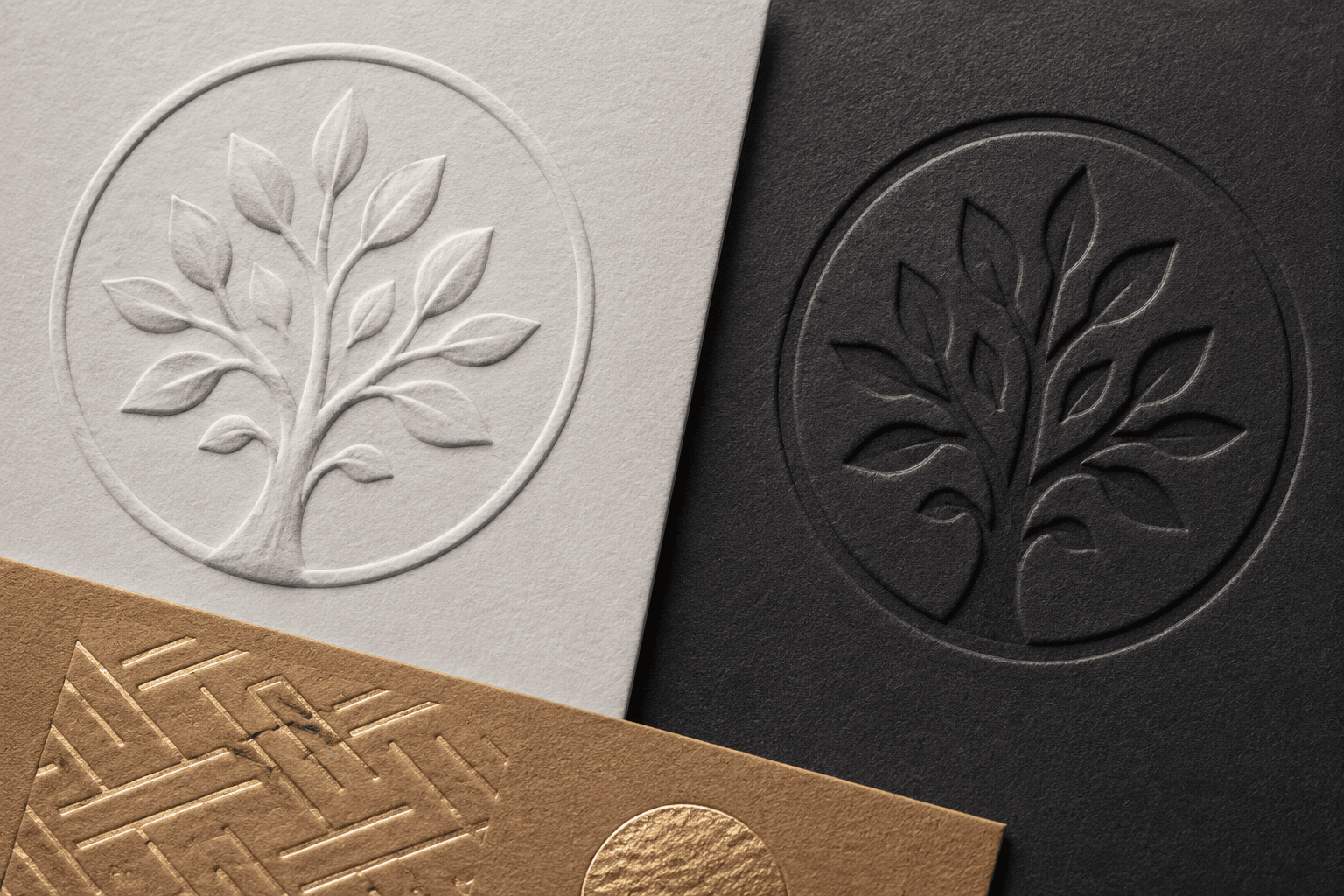
Looking for that unique finish to your special project? Then embossing and debossing might be the right printing methods for you. These methods are specialised printing methods designed to help your project stand out—quite literally! So what’s so special about them?
Here’s everything you need to know:
Read More: Offset Printing vs Digital Printing: How to Choose the Right Method
What Is Embossing and Debossing?
At first glance, embossing and debossing may look similar, but they actually create opposite effects. Both are popular print embellishment techniques that add texture and depth to a design. They are commonly used in commercial printing, luxury packaging and product branding.
Embossing
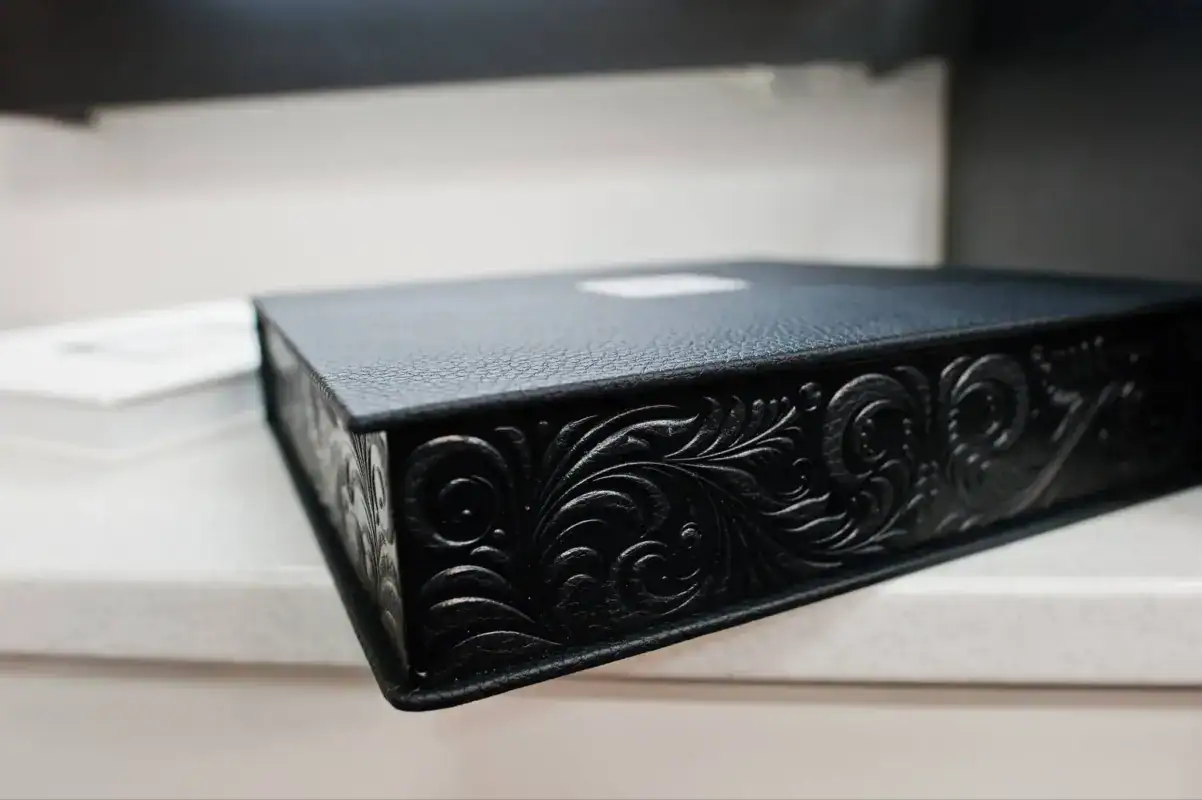
(Image Source: elements.envato.com)
Embossing is a printing technique that creates a raised design on materials such as paper, leather or metal. By using specially made custom dies and pressure, certain parts of the artwork are lifted above the surface.
This results in a three-dimensional effect that adds a tactile and visually striking finish. Since the design is elevated, embossing is often used for logos, brand names, business cards, book covers, certificates and packaging.
One of the biggest advantages of embossing is the premium feel it creates. The raised texture makes printed materials feel more luxurious and sophisticated. It can also be combined with foil stamping or special coatings for more striking effects.
Debossing
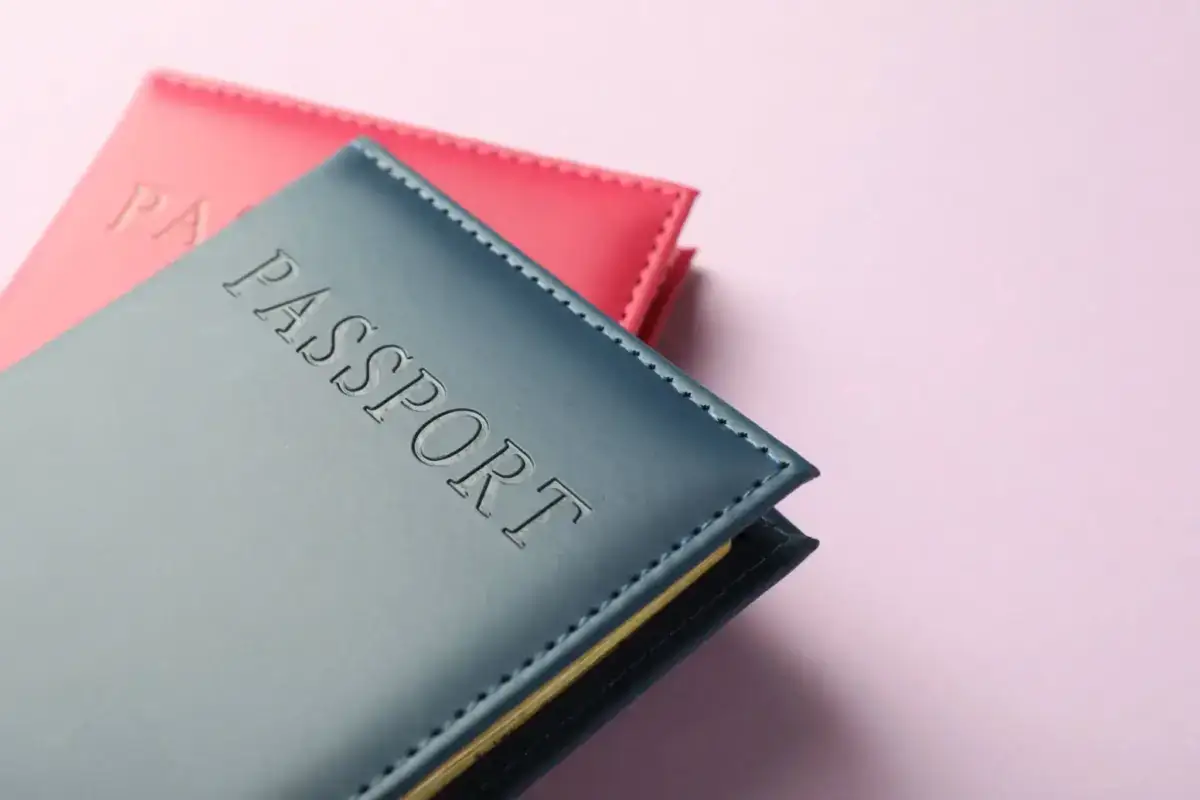
(Image Source: elements.envato.com)
Debossing is the opposite of embossing. Instead of raising the design, it creates an indent into the surface of the material. This is done using custom die and pressure, pressing the artwork down into paper, leather or other substrates.
The result is a sunken effect that gives the design some subtle depth. Unlike embossing, debossing is more understated, making it ideal for brands that prefer a minimal look.
Debossing is commonly used for stationery, packaging, book covers, leather goods and high-end branding materials. It works especially well on thicker materials, where the indentation can be clearly felt and seen.
One of the key advantages of debossing is its sophisticated and modern appearance. It doesn’t rely on colour or shine, but instead uses depth and shadow to create impact.
Differences Between Embossing and Debossing
| Feature | Embossing | Debossing |
| Effect | Raised design above the surface | Indented design onto the surface |
| Visual Impact | Eye-catching and attention-grabbing | Subtle, understated and refined |
| Tactile Feel | Raised and textured to touch | Sunken and pressed into material |
| Style | Luxurious and premium | Minimalist and elegant |
| Lighting Effect | Catches light on raised areas | Uses shadow to create depth |
| Design Approach | Works best with clean, simple designs | Works well for minimal and subtle detailing |
| Overall Impression | Strong for impression | Quiet sophistication |
While both techniques are used to add texture and dimension, the main difference lies in the direction of the effect:
- Embossing raises the design above the surface
- Debossing presses the design into the surface
Embossing tends to feel more bold and attention-grabbing, while debossing feels more subtle and refined. Choosing between the two comes down to the brand’s personality and the kind of impression you want to leave.
Another difference is how they interact with light and shadow. Embossed designs catch light on the raised areas, making them more visible from different angles. Debossed designs, on the other hand, rely on shadows created by the indentation to give depth.
When Should You Use Embossing?
Embossing is best used when you want your design to make a strong first impression. The elevated look naturally draws attention as it gives your design a premium look. This makes it suitable for brands that want to position themselves as luxurious or high-end.
It is also especially effective for projects that want to highlight specific elements. For example, logos or brand names can be embossed to draw attention without needing heavy graphics. Embossing also works best with simpler designs.
Minimal text and clear shapes ensure that the raised effect remains sharp. Common materials for embossing include:
- Thick paper or cardstock
- Leather
- Coated paper Thin metal sheets
- Textured specialty paper
- Kraft paper
- Book covers (hardcover board)
- Packaging board (rigid box materials)
When Should You Use Debossing?
Debossing is best used when you want a subtle finish that doesn’t overpower your overall design. Instead of standing out through shine or colour, it creates impact through depth and shadow. This makes it ideal for minimalist branding.
It also works well for brands that want to appear modern or understated. Debossing is chosen when you want texture that can be felt rather than seen. This makes it perfect for premium branding where simplicity speaks louder than decoration.
It is also highly effective for highlighting details in a more discreet way. Instead of drawing attention instantly, debossed elements reveal themselves as people look closer or run their fingers over the surface. Common materials for debossing include:
- Thick paper or cardstock
- Uncoated paper
- Leather Faux leather (PU leather)
- Book covers (hardcover board)
- Rigid packaging boxes
- Kraft paper
- Cotton-based textured paper
- Stationery covers (folders, notebooks)
The Bottom Line
Embossing and debossing are special printing methods for unique projects. The former adds a special 3D effect to your design, while the latter creates a subtle indent. Both are great in their own way so remember to choose the right one for your project.
Looking for more printing services? Visit octogrampress.com or contact us to find out more!