
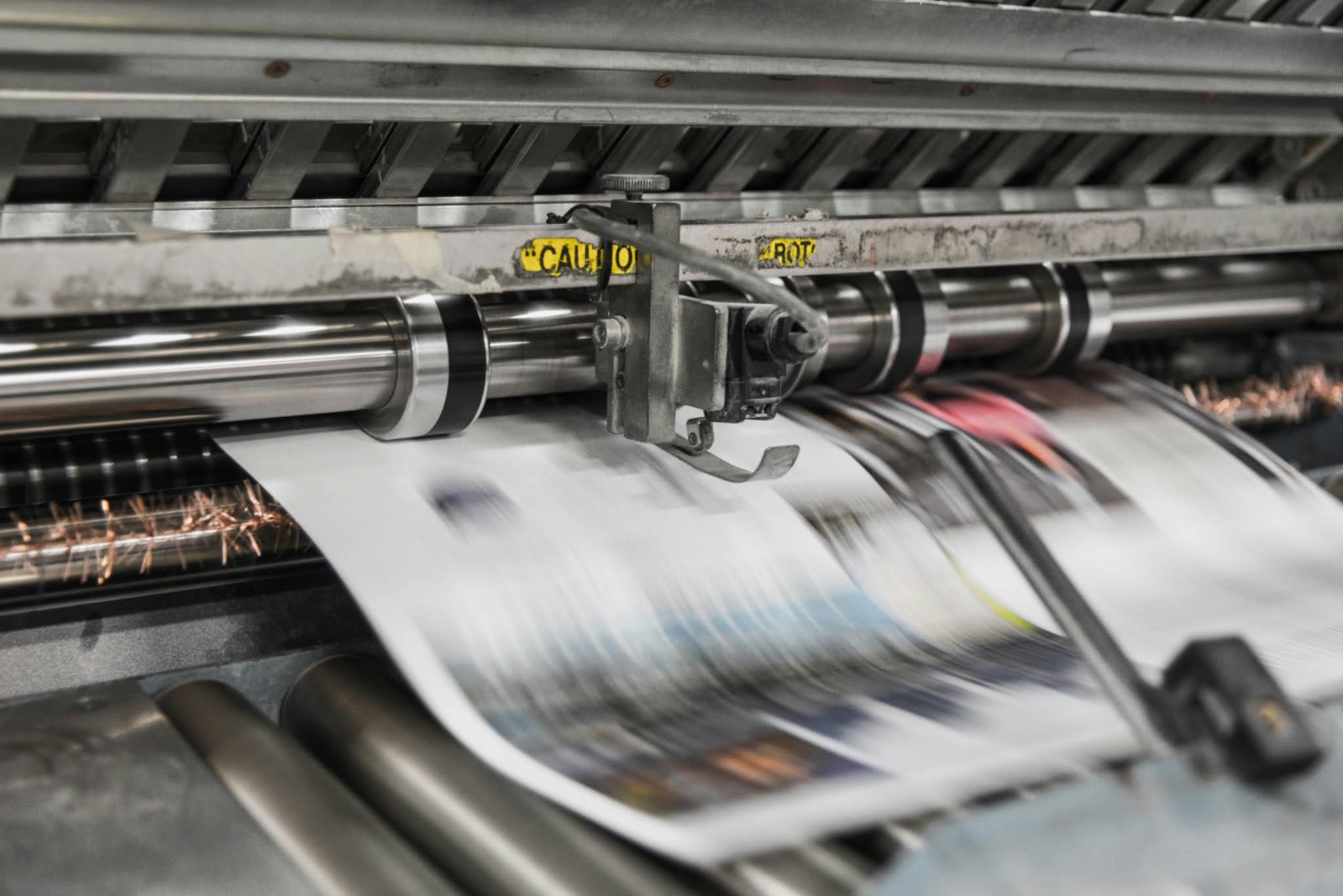
Offset printing is one of the most popular printing methods in the world of printing. It differs from other methods especially in terms of cost effectiveness and colour accuracy. But how does offset printing actually work?
Here’s a closer look at offset printing and why it may be the right choice for your printing project:
Read More: Understanding Embossing and Debossing Techniques
What Is Offset Printing?
Offset printing, also known as offset lithography, is a printing process that transfers an image from a printing plate onto a rubber blanket. It is then transferred onto the final paper or other substrate to create a high-quality printed result.
Unlike other direct printing methods, the image does not go straight from the printing plate to the paper. Instead, it follows a simple process of plate → rubber blanket → paper. This indirect method is where the term “offset” comes from.
Offset printing is commonly used for commercial printing because it can produce consistent, high-quality results across large print runs.
What Is Offset Printing Commonly Used For?
(Image Source: elements.envato.com)
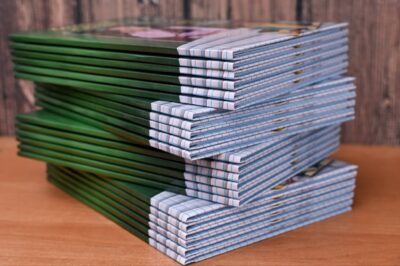
Offset printing is commonly used for projects that require a large number of printed copies with consistent quality. It can also produce detailed images, sharp text and accurate colours across large prints. This makes it suitable for both business and commercial printing.
Offset printing is commonly used for:
- Brochures
- Business cards
- Catalogues
- Magazines and books
- Posters
- Packaging materials
How Does Offset Printing Work?
1. Preparing the Artwork
Before printing begins, the artwork goes through the prepress stage. This involves checking the design, images, fonts, colours and other elements to make sure everything is ready for production.
For full-colour printing, the artwork is normally separated into four basic colours: cyan, magenta, yellow and black (CMYK). These colours are printed in separate layers and combined to create the final image.
2. Creating the Printing Plates
A separate printing plate is prepared for each colour in the CMYK process. These plates are usually made from aluminium because the material is durable and suitable for high-volume printing.
The plate contains areas that will accept ink and areas that will not. This allows the desired image to be transferred while the non-image remains clean. Projects using specific colours, such as pantone colours, may require additional plates.
3. Applying Ink to the Plate
Once the plates are installed in the printing press, the plate cylinder rotates through the press. The dampening system applies a controlled amount of water or fountain solution to the plate.
The non-image areas attract the solution, while the image areas are designed to attract oil-based printing ink. The plate then passes through a series of ink rollers, which distribute the ink evenly across the image areas.
This balance between ink and fountain solution is an important part of the offset printing process. Too much or too little of either can affect the quality and consistency of the finished print.
4. Transferring the Image to the Rubber Blanket
The inked image does not transfer directly from the printing plate to the paper. Instead, the plate cylinder transfers the image onto a rubber blanket attached to the blanket cylinder. The rubber blanket receives the image and prepares it for the next stage.
5. Transferring the Image to the Paper
The rubber blanket then presses the image onto the paper or other substrate. An impression cylinder applies pressure to help transfer the image cleanly onto the material. As the paper passes through the printing press, each colour is applied in sequence.
The individual CMYK colours are carefully aligned using registration to create the final image. When the plates and colours are properly registered, the printed text, photographs and graphics appear sharp and accurately positioned.
The Benefits of Offset Printing
(Image Source: pexels.com )
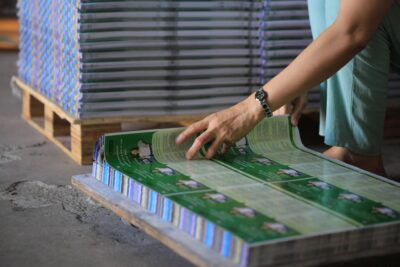
- Colour: Offset printing is widely used due to its ability to produce consistent and accurate colour. This process uses colour management and controlled ink density to maintain consistency throughout the print run.
This is particularly important for projects where colour needs to be consistent across hundreds or thousands of copies.
- Cost-Effective: Offset printing can be cost-effective for large print runs. Although the initial setup requires printing plates and press preparation, the cost per copy can become lower when producing a larger quantity.
- High-Quality: Offset printing is known for producing sharp text and clear images. The use of a rubber blanket helps transfer the image evenly onto the paper or substrate, resulting in a clean and professional finish.
- Consistent: Once the printing press is properly set up, offset printing can produce thousands of copies with consistent colour and image quality. This makes it useful for projects where every printed piece needs to look the same.
- Wide Range of Materials: Offset printing can be used on different types of paper stock and other substrates. This gives businesses more flexibility when choosing the right material, thickness and finish for their printed products.
When Not to Choose Offset Printing?
- You Need a Small Quantity: Offset printing usually becomes more cost-effective for larger print runs. For a small number of copies, the initial setup costs may make the overall cost higher compared with other printing methods.
- You Need Fast Turnaround: The prepress and setup stages can take additional time. If you need your printed materials quickly, a printing method with a shorter setup process may be more suitable.
- You Need Variable Data: Offset printing is designed to produce the same artwork across a print run. If each copy needs different elements or other personalised information, digital printing may be a better option.
- You Need Frequent Design Changes: Once the printing plates have been prepared, changing the artwork requires additional preparation. If the design needs to be changed frequently between copies, offset printing may not be the most practical choice.
Read More: Offset Printing vs Digital Printing: How to Choose the Right Method
The Bottom Line
Offset printing is the right choice if you’re looking for high-quality, cost-effective printing in large quantities. This makes it particularly suitable for commercial print runs where the same design needs to be reproduced many times.
However, offset printing may not be suitable if you’re looking for a quick turnaround time, small quantities and specific personalisation elements. By understanding how offset printing works, you can make the right choice when it comes to choosing the right printing method.
Looking for offset printing in Singapore? Visit octogrampress.com or contact us to find out more!