When planning a print project, it’s natural to focus on the design, colours, and paper stock. However, the finish you choose is just as important as it influences how your printed materials look, feel, and last over time.
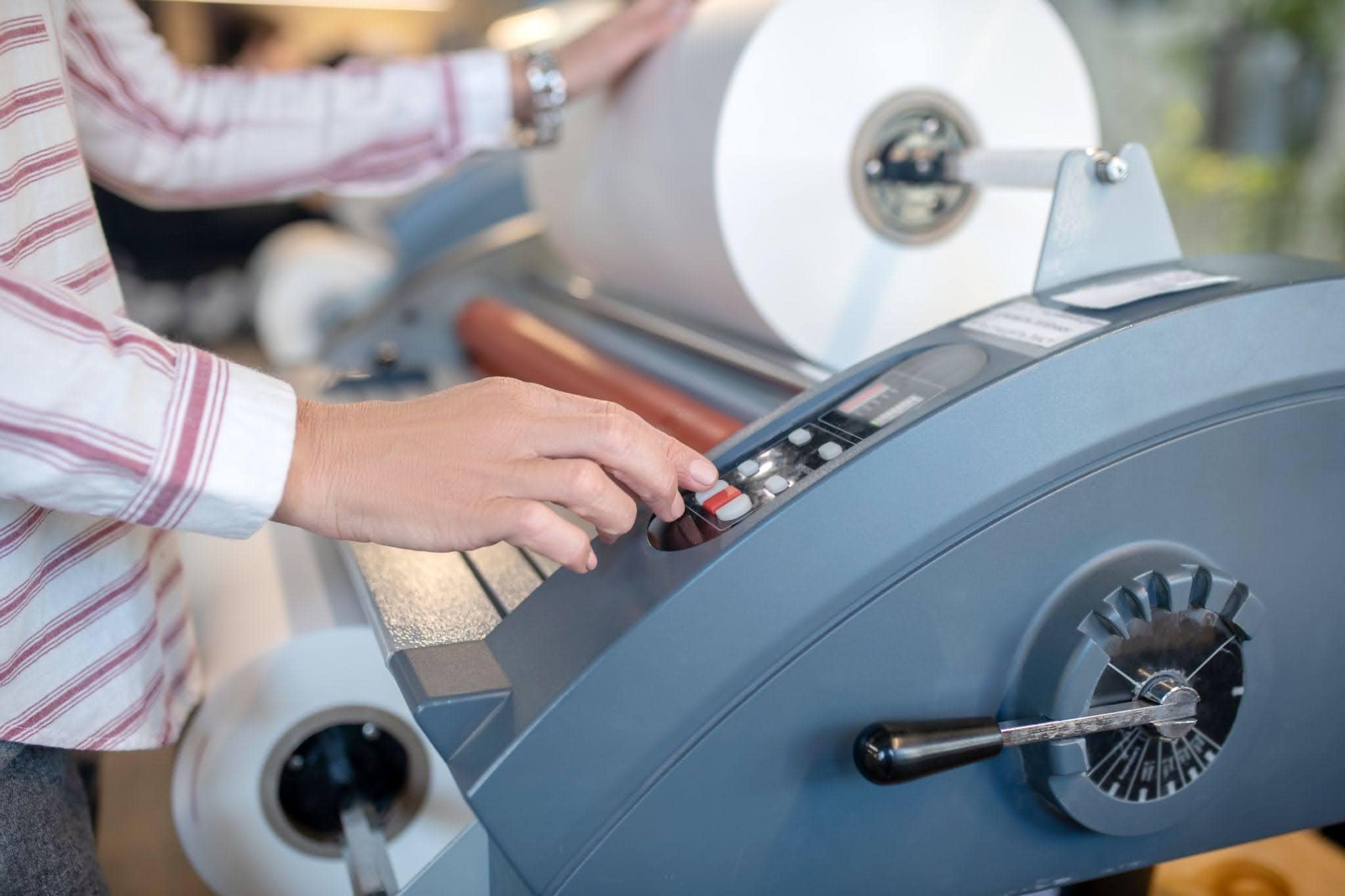
Lamination is a thin plastic film applied to the surface of printed materials that protects them from scratches, moisture, fingerprints, and everyday wear while giving them a polished finish. There are several types of lamination in printing, and each is designed for a different purpose.
Some finishes make colours stand out, while others create a smooth feel or provide added protection. By understanding your options, you’ll be able to choose a lamination that suits your project, budget, and the impression you want to leave.
Reach out to our team in Octogram Press Singapore to get the right lamination recommendation based on your design, usage, and budget to help your prints look great and last longer.
Common Types of Lamination in Printing
The different types of lamination in printing each offer their own look and level of protection. Choosing the right one depends on the purpose of your printed materials and the impression you want to create.
1. Gloss Lamination
Gloss lamination has a reflective finish that makes colours appear richer and images look sharper. It’s a popular choice for marketing materials where you want graphics and photos to stand out. This finish is commonly used for:
- Brochures
- Flyers
- Posters
- Catalogues
- Product packaging
While gloss lamination creates an eye-catching look, its reflective surface can show fingerprints and produce glare under strong lighting.
2. Matte Lamination
Matte lamination has a non-reflective finish that gives printed materials a clean and professional appearance. It also reduces glare, making text easier to read in bright environments. It is often chosen for:
- Business cards
- Reports
- Presentation folders
- Premium packaging
If your design contains more text than images, matte lamination is often the better choice as it offers a more comfortable reading experience.
3. Soft Touch (Velvet) Lamination
Soft touch lamination, also known as velvet lamination, has a smooth, velvety texture that adds a tactile element to your printed materials. It helps create a memorable experience from the moment someone picks up your print. It is commonly used for:
- Invitation cards
- Cosmetic packaging
- Luxury product packaging
- Brand collateral
Soft touch lamination usually costs more than gloss or matte finishes, but it can help reinforce a premium brand image and leave a lasting impression.
(Source: Envato)
Specialty Lamination Options
Some printing projects require more than basic protection. Specialty lamination options provide extra features that improve durability, hygiene, or functionality. They are useful for printed materials that need to handle frequent use or serve a specific purpose.
1. Anti-Scratch Lamination
Anti-scratch lamination adds a protective layer that helps reduce scratches and scuff marks on printed surfaces. It is a practical choice for materials that are handled regularly and need to maintain their appearance over time. It is suitable for:
- Restaurant menus
- Product catalogues
- Book covers
- Presentation folders
By improving resistance against surface damage, anti-scratch lamination helps extend the lifespan of printed materials used in busy environments.
2. Anti-Bacterial Lamination
Anti-bacterial lamination is designed to help reduce bacterial growth on the laminated surface. It can be useful for printed materials that are shared between multiple users throughout the day. Common applications include:
- Restaurant menus
- Healthcare materials
- Educational resources
- Public information displays
For businesses where hygiene is a necessity, this type of lamination provides an added layer of protection alongside regular cleaning practices.
3. Dry-Erase Lamination
Dry-erase lamination transforms printed materials into reusable surfaces. Users can write on the laminated area with whiteboard markers and wipe it clean when changes are needed. It is commonly used for:
- Training charts
- Classroom materials
- Work schedules
- Reusable planners
This option helps reduce the need for repeated printing, making it useful for materials that require frequent updates.
(Source: Envato)
How to Choose the Right Lamination for Your Printing Project
With so many types of lamination in printing available, choosing the right finish can feel overwhelming. The good news is that you do not need to memorise every option. You only need to think about what your printed materials need to do.
Start by considering the purpose of your print. Different projects have different requirements, so the best lamination for a brochure may not be the same as one used for a business card or product packaging.
Think About How Your Printed Materials Will Be Used
The way people interact with your printed materials can help you decide which lamination works best.
For example, brochures and flyers used for marketing campaigns may benefit from a finish that helps colours stand out. Meanwhile, business documents such as reports or presentation folders may need a finish that makes text easier to read and gives a professional feel.
For packaging, the lamination should not only protect the surface, but also support the look and experience you want your customers to associate with your brand.
Consider How Much Handling Your Print Will Go Through
After thinking about the purpose, consider how often your printed materials will be touched or used.
A restaurant menu that customers handle every day will need more protection than a flyer designed for a one-time event. Materials that go through frequent handling may require finishes such as anti-scratch lamination to help reduce signs of wear.
Choose a Finish That Matches Your Brand and Design
Once you know the practical needs of your project, you can think about the visual experience you want to create.
Gloss lamination works well when you want colours and images to stand out. Matte lamination creates a smooth surface with less reflection, making it suitable for designs with more text.
If you want to add a different feel to your printed materials, soft touch lamination provides a smooth texture that people can notice when they hold it. The right finish can influence how customers perceive your brand before they even read the content.
Balance Your Budget With Your Project Needs
Finally, consider how much you want to invest in your print finish. Standard options such as gloss and matte lamination work well for many everyday printing projects. Specialty finishes may cost more, but they can provide extra benefits such as added durability or reusability.
Instead of choosing based only on the lowest cost, think about the value the finish brings to your project. A suitable lamination can help protect your prints, improve their appearance, and reduce the need for replacements.
| What You Need | Recommended Lamination |
| Want colours to stand out | Gloss |
| Want a professional look | Matte |
| Want a premium feel | Soft Touch |
| Need extra protection | Anti-Scratch |
| Need a reusable surface | Dry-Erase |
If you are still unsure which finish is right for your project, a printing specialist can help you compare your options based on your design, usage, and budget.
Conclusion
Choosing the right lamination finish becomes much easier once you know what each option can offer. The key is to choose a finish based on how your materials will be used, the experience you want to create, and the budget you have in mind.
If you are still unsure which of the different types of lamination in printing is the best fit for your project, feel free to speak with our printing team. We can help you compare your options and find a finish that works well for your design, purpose, and printing goals.
Reach out to our team in Octogram Press Singapore to get the right lamination recommendation based on your design, usage, and budget to help your prints look great and last longer.