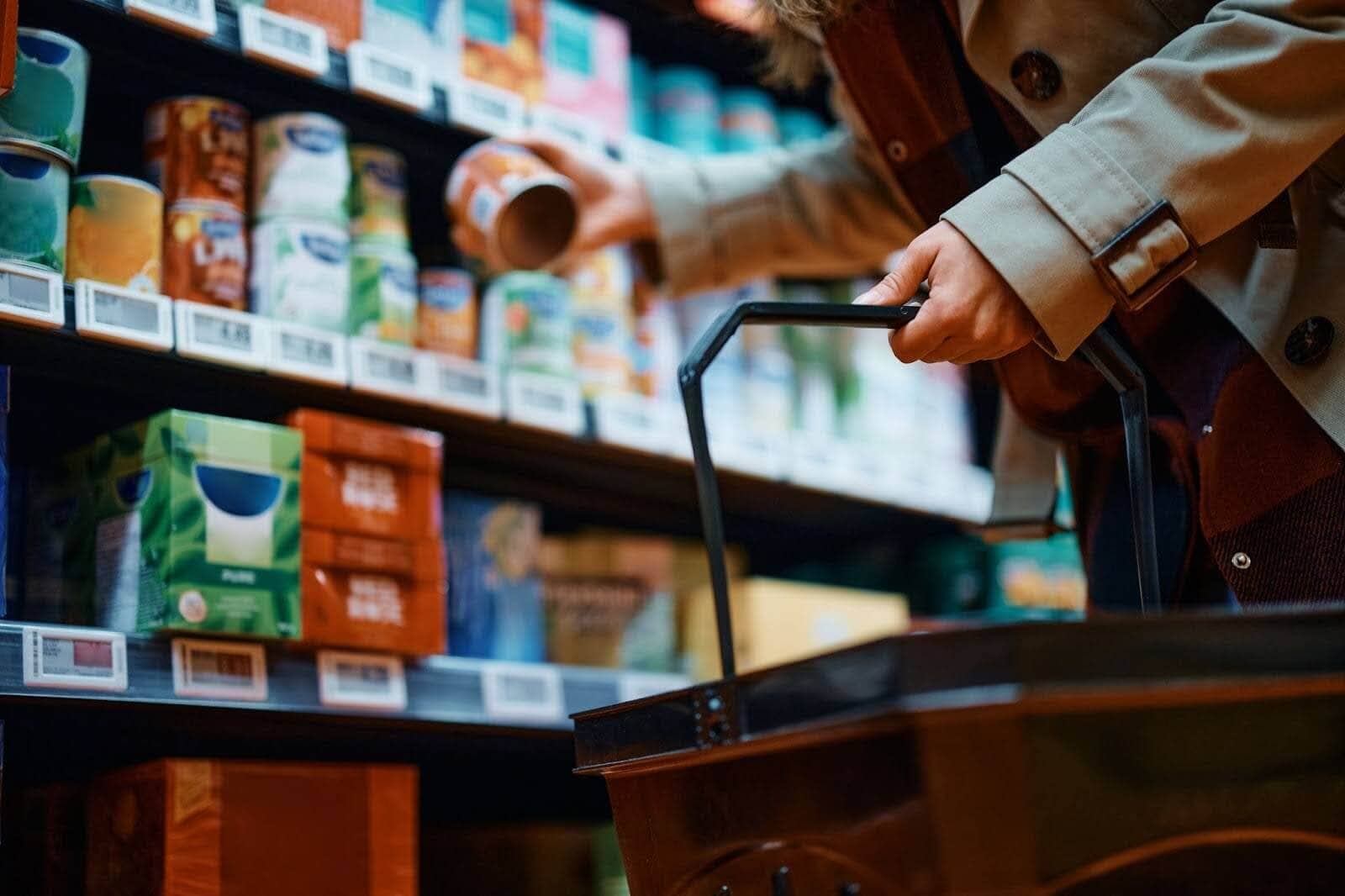
You can have the best product in your category. If your packaging looks off or uninteresting, people hesitate. If it looks sharp, they reach for it.
That decision happens in seconds. The right printing method plays a big part in that moment.
If you are exploring the different types of packaging printing, here is what you need to know before you commit.
Types of Packaging Printing Techniques You Should Know
(Source: elements.envato.com)
1. Offset Printing Delivers Consistency
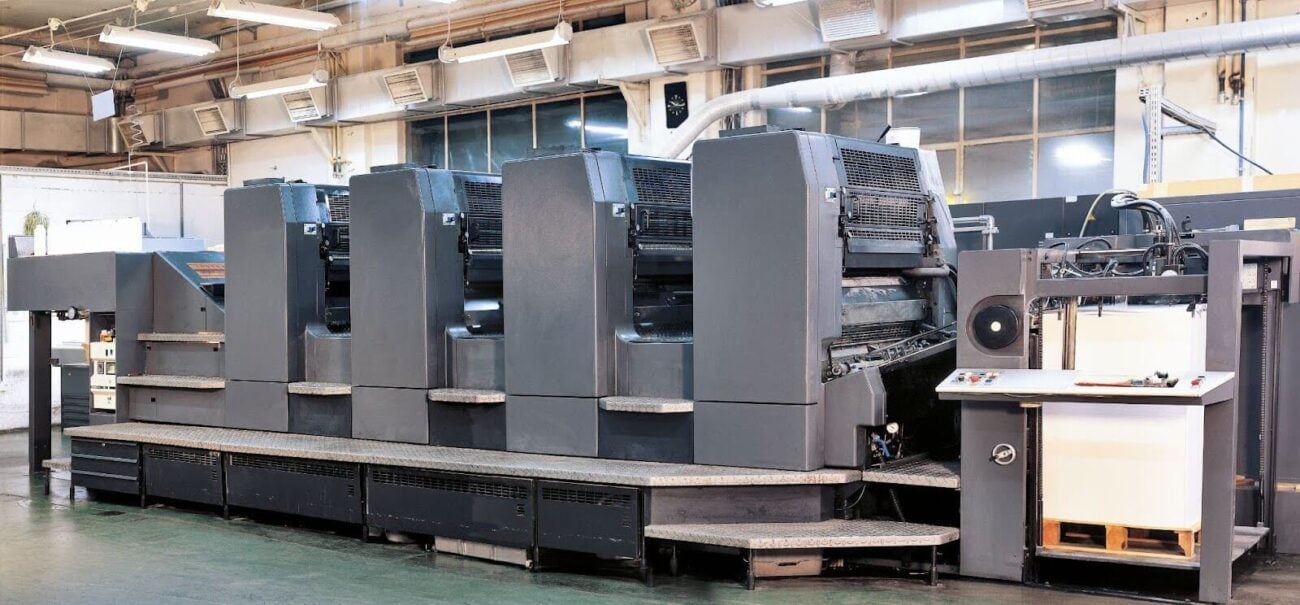
Offset printing is one of the most established methods in commercial printing. It transfers ink from a plate to a rubber blanket, then onto your packaging surface.
It works best when you need high volumes and consistent results.
Where it fits well:
- Folding cartons for retail packaging
- Food and beverage boxes
- Pharmaceutical packaging
Why businesses choose it:
- Sharp image quality with clean colour reproduction
- Cost-efficient for large print runs
- Reliable consistency across batches
If your packaging requires precise branding colours and a polished finish, offset printing gives you that control.
2. Flexographic Printing Keeps High-Volume Production Moving
Flexographic printing, often called flexo, uses flexible relief plates and fast-drying inks. It is widely used in large-scale packaging production.
You will see this method used across everyday packaging.
Where it fits well:
- Corrugated boxes
- Plastic bags and pouches
- Labels and wraps
Why it works:
- Fast production speeds for bulk orders
- Compatible with a wide range of materials
- Lower cost per unit at scale
If you are producing packaging in large quantities and need efficiency without compromising too much on quality, flexo is a strong option.
(Source: elements.envato.com)
3. Digital Printing Gives You Flexibility for Faster Turnarounds
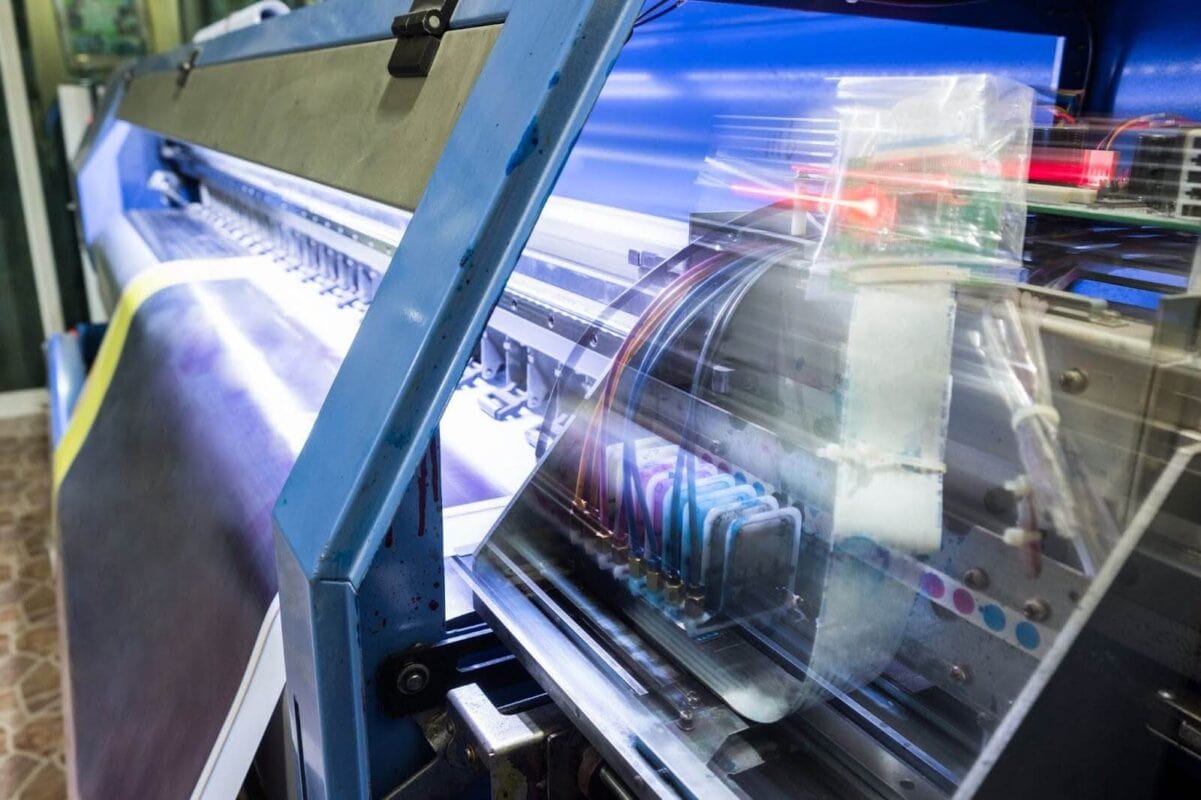
Digital printing has changed how businesses approach packaging. It prints directly from a digital file without the need for plates.
That means you can move faster and adapt easily.
Where it fits well:
- Short-run packaging
- Seasonal or promotional designs
- Product testing and prototypes
Why it stands out:
- Quick turnaround times
- Lower setup costs for small batches
- Easy to customise designs or versions
If you are launching a new product or testing different packaging designs, digital printing gives you the flexibility to do it without heavy upfront costs.
Read more — Offset Printing vs Digital Printing: How to Choose the Right Method
4. Gravure Printing Creates Premium Finishes at Scale
Gravure printing uses engraved cylinders to transfer ink onto the packaging material. It is known for delivering very high image quality.
It is often used for premium packaging.
Where it fits well:
- Flexible packaging like snack wrappers
- High-end product packaging
- Long-run packaging with detailed designs
Why businesses invest in it:
- Exceptional print detail and colour depth
- Consistent quality over very long runs
- Ideal for high-end branding
While the setup cost is higher, gravure becomes cost-effective when you are printing at very large volumes.
Need help choosing the right approach? Speak to Octogram Press for tailored packaging printing recommendations.
(Source: elements.envato.com)
Costly Packaging Printing Mistakes You Will Want to Avoid
Even when you understand the different types of packaging printing, small missteps can lead to delays, wasted budget, or disappointing results.
Here are common pitfalls and how you can avoid them:
1. Choosing Based on Cost Alone
Going for the cheapest option can backfire. A method that looks affordable upfront may not suit your material or design. This often leads to reprints or quality issues.
2. Overlooking Material Compatibility
Not every printing technique works well on every surface. For example, flexible packaging handles ink and pressure differently from paperboard. Matching the method to the material is key.
3. Ignoring Colour Accuracy Requirements
If your brand relies on specific colours, not all packaging printing techniques will deliver the same consistency. Offset and gravure tend to offer better colour control compared to others.
4. Underestimating Lead Times
Some methods require longer setup, especially those involving plates or cylinders. If your timeline is tight, this can disrupt your launch.
5. Skipping Prototyping or Test Runs
Jumping straight into full production without a test run is risky. Using digital printing for prototyping lets you catch design or print issues early before committing to large volumes.
Choosing the Right Packaging Printing Method for Your Business
By this stage, it should be clear that not every printing method fits every product. The right choice comes down to balancing cost, quality, and speed.
You can break it down this way:
1. Consider Your Print Volume
If you are producing at high volume, flexographic or gravure printing will be more cost-efficient. For low to medium runs, digital or offset tends to be a better fit.
2. Think About Your Design Complexity
If your packaging involves detailed, high-resolution artwork, offset or gravure will give you better results. For simpler designs, flexographic or digital printing works well.
3. Review Your Packaging Material
Paperboard packaging pairs well with offset printing. Flexible materials are better suited for flexographic or gravure, while digital printing handles mixed materials with more flexibility.
4. Factor In Turnaround Time
If you are working with tight deadlines, digital printing helps you move faster. For planned, large-scale runs, offset, flexographic, or gravure are more suitable.
5. Look at Long-Term Cost Efficiency
Digital printing is more cost-effective for short runs. For larger volumes, traditional methods help reduce the cost per unit over time.
When you align these factors, you avoid overpaying for a method that does not match your needs.
How Your Printing Choice Affects More Than Just Looks
The packaging printing method you choose influences how customers see your product and how smoothly your production runs.
- It Influences Brand Perception
Clean and consistent printing builds confidence. Poor quality does the opposite.
- It Impacts Production Efficiency
The wrong method can slow down your supply chain or increase costs.
- It Affects Flexibility
If you plan frequent design updates or campaigns, some methods will limit you.
That is why understanding the different types of packaging printing is not just technical knowledge. It is a business decision that needs careful consideration.
Bringing It All Together for Smarter Packaging Decisions
Each packaging printing method has its own strengths.
Offset delivers consistency. Flexographic keeps high-volume production efficient. Digital offers fast and flexible options. Gravure provides premium quality at scale.
The best choice depends on your product, timeline, and how you want your brand to be seen. The right choice saves you cost, avoids waste, and ensures your packaging makes the impact you want.
Planning new packaging or reviewing your current setup? Reach out to Octogram Press via WhatsApp or our online contact form to explore the right packaging printing solutions for your business.