The world of printing is filled with different types of printing methods. Each method corresponds to a specific kind of finish, texture, durability and cost. While there are no right or wrong techniques per say, there are specific methods that are better suited for certain projects.
Today we’ll be taking a look at offset printing vs digital printing – two highly popular methods in the printing industry. Both techniques are solid in their own right, but how do you choose the right one?
What Is Offset Printing?
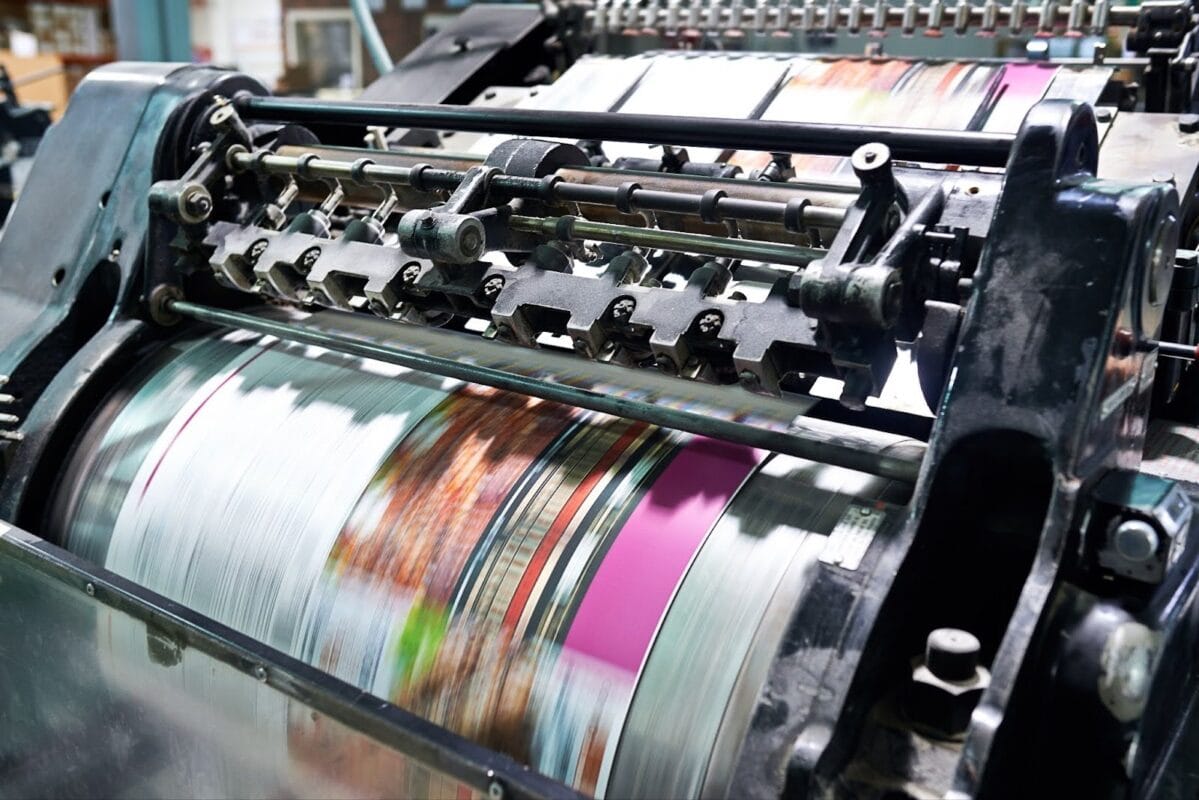
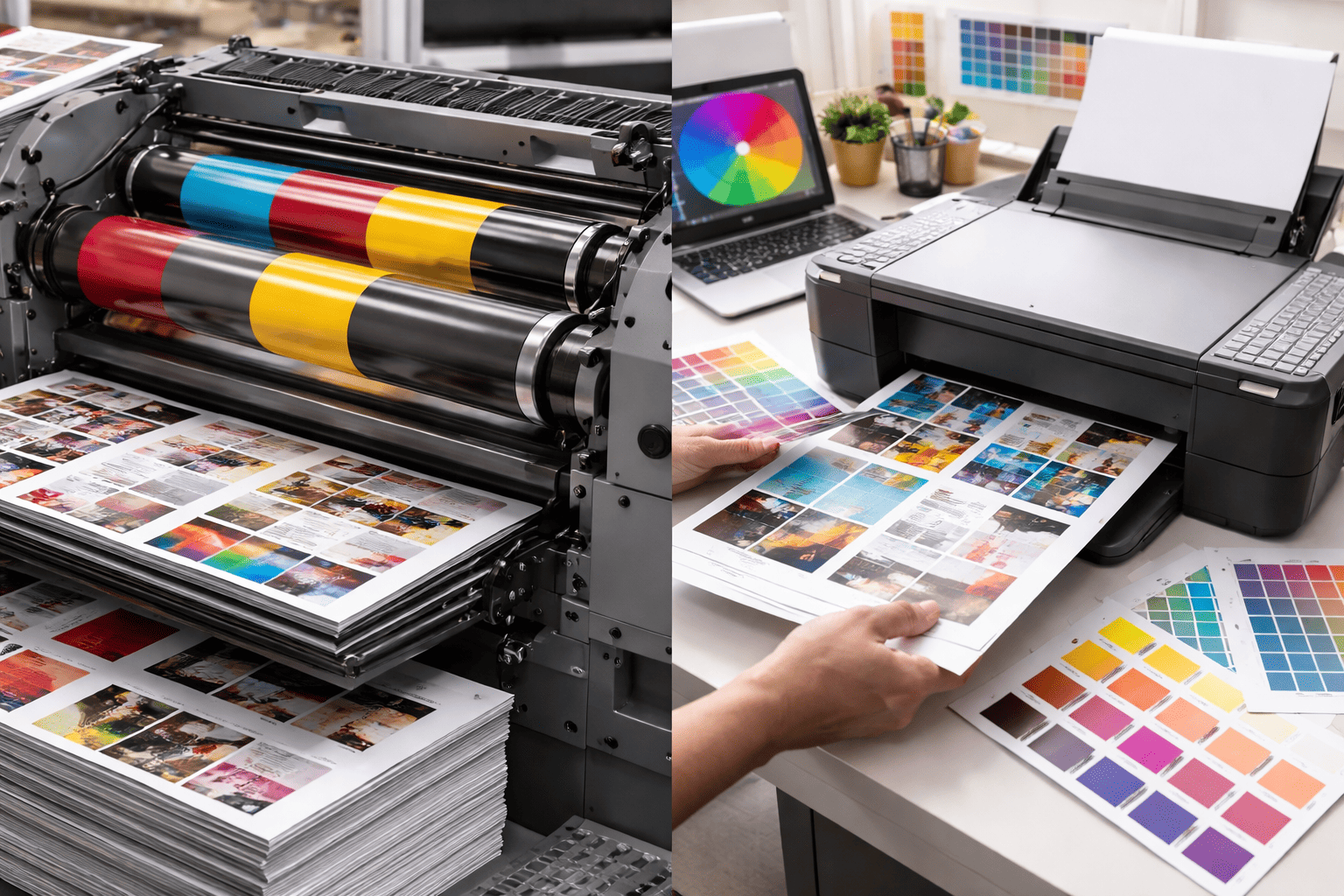
(Image Source: elements.envato.com)
Also known as lithography, offset printing is the process of transferring inked images to a rubber blanket, then onto the printing surface. This indirect method is where the term “offset” comes from, as the image is not printed directly onto the paper.
The process may take longer but the results are usually more consistent and sharper. Offset printing is widely used for large-scale printing jobs such as magazines, newspapers, brochures, catalogues and packaging materials.
Pros
- High-Quality Print: Offset printing produces high-quality images across large prints. These prints are usually clean, crisp and colour consistent.Because the plates transfer ink evenly through a rubber blanket, the final result often looks more refined than other printing methods.
- Cost-Effective for Large Quantities: Offset printing tends to become more economical the more you print. Once the printing plates are created and the press is set up, the cost per unit drops significantly. This makes it a popular choice for businesses printing hundreds or thousands of items such as catalogues, brochures and magazines.
- Diverse Paper Options: Offset printing is compatible with many different paper types. This includes glossy, matte, textured and specialty materials. Regardless of paper type, offset printing still maintains its consistency.
- Accurate Colour: Offset printing uses professional colour systems such as CMYK and sometimes specialised spot colours like Pantone Matching System.This allows printers to achieve precise colour matching, which is especially important for brand materials and marketing collateral.
Cons
- Longer Set Up Time: Offset printing requires a setup process that includes preparing printing plates and calibrating the press. Because of this, the initial setup can take longer, especially for smaller jobs.
- High Initial Costs: The plates, setup time and labour involved can make offset printing more expensive at the beginning. For smaller quantities, the cost may not be as practical compared to other printing methods.
- Not Ideal for Small Runs: If you only need a small number of prints, offset printing may not be the most efficient option. The setup process means it works best for large batches where the cost can be distributed across many copies.
What Is Digital Printing?
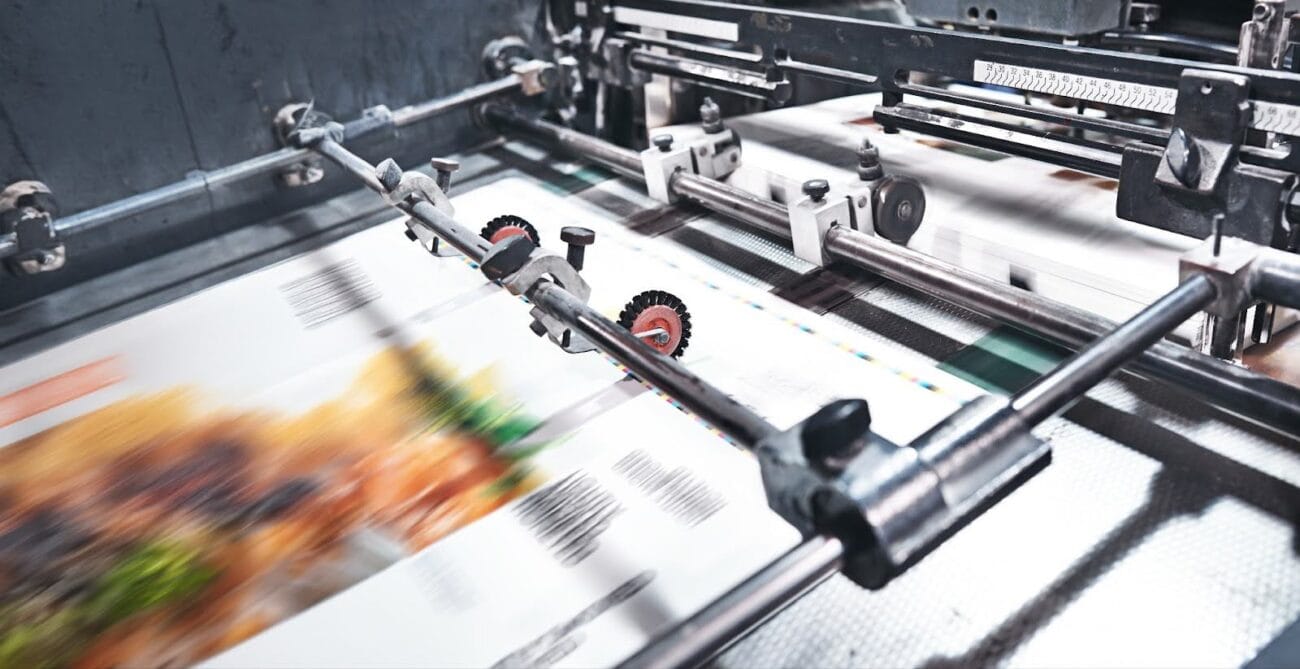
(Image Source: elements.envato.com)
Unlike offset printing, digital printing does not rely on printing plates. This process is largely digital as the name suggests. Digital files are sent directly to a printer, which then applies toner or liquid ink onto the paper.
Digital printing works similarly to a high-end office printer but on a much bigger and advanced scale. Because the process is faster and more flexible, it is commonly used for short print runs such as flyers, posters and business cards.
Pros
- Fast Turnaround Time: Since there is no need to prepare printing plates, the printing process can start almost immediately after the file is ready. This makes digital printing a great option when you are working on tight deadlines.
- Cost-Effective for Small Quantities: Digital printing is usually more affordable for small print runs. Because there is minimal setup involved, you don’t have to worry about high upfront costs. This is especially useful if you only need a few copies or want to test a design before committing to a large batch.
- Flexible and Customisable: Digital printing is highly suitable for personalised designs. You can easily customise unique information without slowing down the process.This is commonly used for promotional materials, event items and direct marketing campaigns.
- Good for Short-Run Marketing Materials: If you need flyers, posters or business cards in small quantities, digital printing is a practical choice. It allows businesses to produce materials quickly without sacrificing decent print quality.
Cons
- Lower Detail Consistency for Large Runs: While digital printing is efficient, the print quality may sometimes show slight variations when compared to offset printing, especially for very large batches.
- Limited Paper Choices: Digital printing may not work well with certain specialty or textured papers. It is generally more suitable for standard printing materials.
- Higher Cost Per Unit for Large Quantities: If you are printing in bulk, digital printing can become more expensive on a per-unit basis compared to offset printing.
Offset Printing vs Digital Printing: Which One Do You Choose?
Offset printing is the perfect choice for projects that require high-quality prints in large quantities. This method ensures consistency by maintaining the same level of colour accuracy and sharpness across every copy. This method is also more cost-effective when you print in bulk.
With that said, offset printing typically takes longer due to the setup process. It has a higher initial cost too, especially for smaller projects. On the other hand, digital printing has a faster turnaround time due to its minimal setup.
The printing process can start immediately after the digital file is ready, making it a cost-effective choice for small prints. This method is also much more flexible due to how easily designs can be adjusted or customised throughout the process.
Digital printing is not, however, suitable for projects that require large printing quantities and consistent colour depth.
Offset Printing vs Digital Printing: Quick Comparison
| Feature | Offset Printing | Digital Printing |
|---|---|---|
| Printing Quality | Excellent and highly consistent, suitable for professional materials | Good quality but may show slight variation in very large runs |
| Colour Accuracy | Uses professional colour systems such as the CMYK colour model and spot colour matching like Pantone LLC | Uses CMYK-based digital colour processing |
| Setup Time | Longer due to plate preparation and press calibration | Very fast as there is minimal setup |
| Best for Quantity | Large print runs | Small to medium print runs |
| Cost Efficiency | More cost-effective for bulk printing | More cost-effective for short runs |
| Paper Options | Compatible with a wide range of paper types including specialty and textured paper | Best suited for standard printing materials |
| Customisation | Limited once the printing plates are prepared | Highly flexible and easy to personalise |
| Turnaround Time | Slower | Faster |
The Bottom Line
Offset printing vs digital printing is not so much about the better method, but rather which method fits your project. Both methods are parallels to one another too, so if one doesn’t fit your needs, the other may be the better alternative.
If that doesn’t work either, consider checking out our long list of printing and packaging services – we might have what you’re looking for!
Visit octogrampress.com or contact us to find out more!